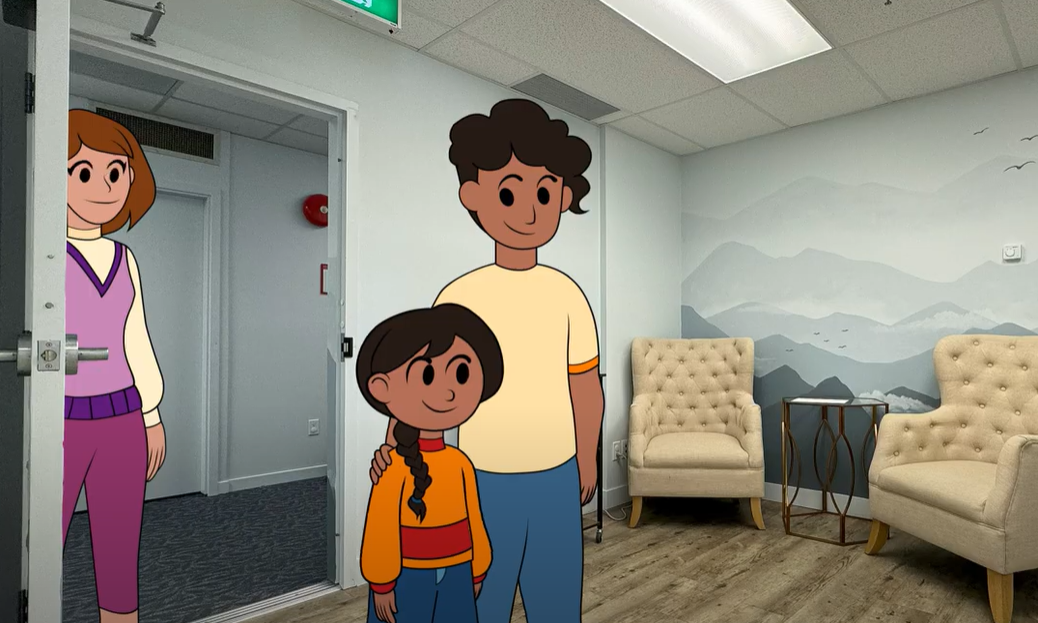
Sophie’s Place lets children and youth
share their story in a safe and welcoming space, supported and helped by a compassionate, highly integrated team
How can we reduce risks of abuse?
There are things we can all do as a community to better protect children from harm.
We can all learn about how offenders target children and youth, work together to teach our children about safety in every space (in-person and online), be alert to situations where a child or youth may be targeted, report immediately if we see inappropriate interactions, and listen supportively if a child or youth may be trying to tell us about an uncomfortable situation.
Did You Know?
-
children/youth of any gender identity can experience abuse
-
offenders can be youth as well as adults
-
offenders can target children/youth online through text, social media, internet chat rooms, online gaming or internet-enabled gaming consoles
Listen to your child
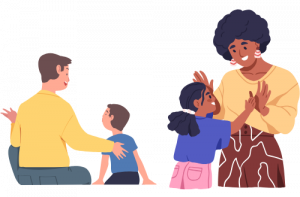
Talking with your child and listening to what they have to say is an important step in preventing abuse.
Communicate with your child, create opportunities for them to share their feelings, stories, opinions and perspectives with you. Let them know you are here to listen to them, to believe and support them, and help them with uncertain situations of all kinds. This can help them feel more comfortable with asking for your input or disclosing uncomfortable or inappropriate attempts or interactions.
Minimize opportunity
Avoid one adult/one child situations. Drop-in on situations where your child may be alone with another adult (even close family members).
Check child protection policies at organizations and activities your child attends.
Accompany your child to public areas and activities.

Teach your child
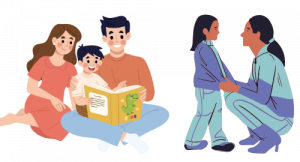
Teach your child about their body and the difference between appropriate and inappropriate touches. Model appropriate boundaries between adults and children.
Teach your child the difference between a surprise and a secret. Secrets about touching are not okay, Secrets about having their picture taken are not okay. Sexual attention from an adult is not okay.
They should also know that inappropriate touches could occur with strangers, a family member, adult friend or an older youth. Teach your child that it is okay to tell another safe adult.
Teach your child about safety online, in public places, on the street and at home. Teach them about common lures offenders use, how to be assertives and say “no”, practice together how they can react, and how to get help from safe adults.
Be involved, know who has contact with your child
Most abusers are someone the child or family knows and trusts. Know your child’s whereabouts and who they’re building relationships with. Attend your child’s activities and pay attention to interactions between the adults and children. Know what social media and online games your child/youth uses. Offenders use manipulation to build trust, develop an emotional connection, make a child feel special, then use that trust to exploit the child.
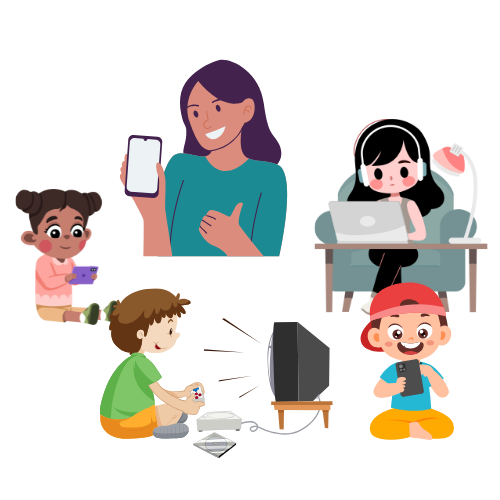
Monitor internet, cell phone use
Offenders often use the internet, social media, and text messaging to lure children into physical contact. Teach your child to be careful about what they share with people online, including personal information and photos. Review common pressure tactics that could be used online to get your child to share information or photos. Encourage them to let you know if someone tries to pressure them online, and that you will support and help them!
Pay attention and respond
Pay attention to interactions between adults and children, get involved in interactions that aren’t appropriate. Be prepared to react responsibly if a child discloses abuse to you, or if you suspect or see that boundaries have been violated.
Carefully identify the behaviours of concern. All adults have a legal duty to report.
- use your instincts as a guide
- is the behaviour an appropriate response to the child’s needs?
- does the behaviour seem inappropriate for the situation and age of the child?
- control your reaction
- remain calm, focus on the child’s needs
- how does the child feel about the behaviour?
- does the child feel uncomfortable, scared, confused? they may not reveal their true feelings: they don’t want to get in trouble, they feel ashamed, they enjoy the attention, or they want to protect the individual
- don’t dismiss your concerns
- even if the child doesn’t see any reason for concern, you should listen to your instincts
- take action
- report questionable behaviour to appropriate authorities
Children with special needs:
Certain behaviours may be appropriate as they may be used to calm the child (such as rubbing the child’s back) and would be responding to the child’s needs. These should be formalized as part of an individual plan for that child.
Printable Resources
Printable information, worksheets and tools to help parents and guardians with teaching and protecting their children and youth.
For Guardians/Parents:
Printable activity
For Children:
Printable activity
Printable activity
Printable activity
Printable activity
For Youth:
Printable activity
Printable activity
Online Safety:
Sources:
References:
Afifi TO, MacMillan HL, Boyle M, et al. “Child abuse and mental disorders in Canada.” Canadian Medical Association Journal. 2014; 186(9): E324-32.
Department of Justice Canada. (2013) “Sexual Offending Against Children and Youth.” Retrieved from: http://www.canada.ca/en/news/archive/2013/02/sexual-offending-against-children-youth.html. Keighley, K. (2017). “Police-reported crime statistics in Canada, 2016.” Juristat, Vol. 37, No. 1. Ottawa: Statistics Canada. Cat. No. 85-002-X
Hindman, J. 1999. Just before dawn: from the shadows of tradition to new reflections in trauma assessment and treatment of sexual victimization. Ontario, Oregon: AlexAndria Associates.
Burczycka, Marta and Conroy, Shana. 2017. “Family Violence in Canada: A statistical profile, 2015.” Juristat, Cat. No. 85-002-X. Statistics Canada.
Additional resources in our community:
Fraser Health 24/7 Crisis Line
Trained volunteers provide toll-free telephone support and crisis intervention counselling, 24 hours a day, seven days a week. You can also call for information on local services or if you just need someone to talk to.
- Call: 604-951-8855
- Toll-free: 1-877-820-7444
- Click here
START team for mental health crisis
The Short Term Assessment Response Treatment (START) team provides in-community mental health and/or substance use assessments and has three community offices in the Fraser Health region.
Focused on the mental health and/or substance use needs of the young person and their family, through a family centered approach.
Serving ages 6-18
- Call: 1-844-782-7811
- Click here
KUU-US Crisis Line
24-hour provincial aboriginal crisis line for Adults/Elders and Children/Youth.
- Call: 1-800-588-8717
- Click here
Kids Help Phone
Provides 24 hours a day 7 days a week helpline mental health. Talk to a trained counsellor anytime, even if you just need to talk.
- Call 1-800-668-6868
- Text: 686868
- Click here
Helpline for Children
Call 24 hours a day, 7 days a week if you need help and want to talk to a social worker. You do not have to give your name to talk.
Call: 604-310-1234
Need Help Now
NeedHelpNow helps teens stop the spread of sexual pictures or videos and provides support along the way. Provides guidance on the steps that can be taken to get through a very traumatizing experience.
CyberTip
Canada-wide tipline for reporting cases of online child sexual abuse and exploitation.
- Call: 1-866-658-9022
- Click here
VictimLink BC
Call, text or email victim link 24/7 for crisis support, information, and referrals for victims of all crime, including child abuse. Services available in over 150 languages.
- Call: 1-800-563-0808
- 211-victimlinkbc@uwbc.ca
- Click here
Crime Victim Assistance Program
The Crime Victim Assistance Program (CVAP) provides a range of benefits to assist victims, immediate family members of victims and certain witnesses in coping with the effects of violent crime, where same or similar benefits are not available from another source
- Call: 604-660-3888
- Click here
Child & Youth Mental Health Services
To reduce the burden of suffering resulting from children’s mental illness, child and youth mental health services are offered throughout British Columbia by the Ministry of Children and Family Development (MCFD). These services provide a wide range of community-based specialized mental health services to children and their families.
Phone: 1-800-663-9112
BC Bereavement Helpline
- Call: 604-738-9950
- Toll Free: 1-877-779-2223
- Email: contact@bcbh.ca
- Click here
Trauma Counselling
For resources regarding trauma counselling for children who have been abused, legal assistance, childcare and parenting, financial assistance, specialized services for Indigenous families and specialized services for newcomer families, please click here.
Youth Against Violence
Helpline to anonymously provide information or talk about a past or future violence incident.
- Call: 1-800-680-4264
- Text: 604-836-6381
- Click here
Forensic Nursing Service (Surrey Memorial Hospital)
Provides trauma informed forensic or medical care to all genders and ages within 7 days of intentional relationship violence or any sexual assault.
- Call: 604-953-4723
- Click here
Representative for Children and Youth
Provides individual advocacy for children, youth, and young adults who having trouble accessing government services or feel they are being treated unfairly or not being listened to.
- Call: 1-800-476-3933
- Click here
Canadian Centre for Child Protection
The Canadian Centre for Child Protection is dedicated to the personal safety of all children. One of their goals is to prevent child victimization through a number of programs, services, and resources.
Kids in the Know
The Canadian Centre for Child Protection's national safety education program. The program engages students with interactive activities to help build skills that increase their personal safety and reduce their risk of victimization online and offline.
Youth Resources Centres
Provides one-stop access for youth and families to access drop-in resource rooms for support, food, laundry, showers as well as programming for social, health, education, housing, substance use support, employment, and life skills services at 2 locations.
- Central City Youth Hub: 604-587-8100
- Newton Youth Hub: 604-592-6200
- Click here
GAB Junior
Youth drop-in group for queer youth ages 10-13; activities include crafts and games; youth workers and volunteers will always be present for support. Group for ages 14-25 is also available.
- Ages 10-13: gabjunior@qmunity.ca
- Ages 14-25: youth@qmunity.ca
- Click here
Canadian Centre for Child Protection
Resources, education, and advocacy on child protection issues in Canada.
Diversity Fact Sheet: LGBTQ+ Community
Telus WISE – Internet and Smartphone Safety
Offers best-in-class training for parents and anyone wanting to learn how to keep children and teens safe when using the Internet, as well as a variety of tips and tools on Internet and Smartphone safety and security.
BC 211
Provides referrals for support services for all of life’s challenges through phone, text, or online in 150 languages.
- Call or text: 211
- Click here
Pink Book
Resource and information guide for those living in the White Rock/Surrey area; includes quick referrals to available resources in the Lower Mainland.

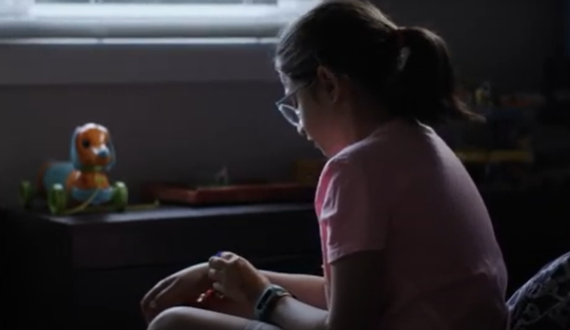
If you are accessing our website regarding a child abuse emergency please call 911 immediately.
To report child abuse please call:
1-800-663-9122 (The Ministry of Children and Family Development)
OR 604-599-0502 (Police)
Sophie’s Place Child and Youth Advocacy Centre office hours are
Monday through Friday 8:30am to 4:30pm.
For all other concerns after hours please call 1-800-663-9122.
Therapy, care and support under one umbrella
We provide outpatient medical rehabilitation services to help children reach their potential.